
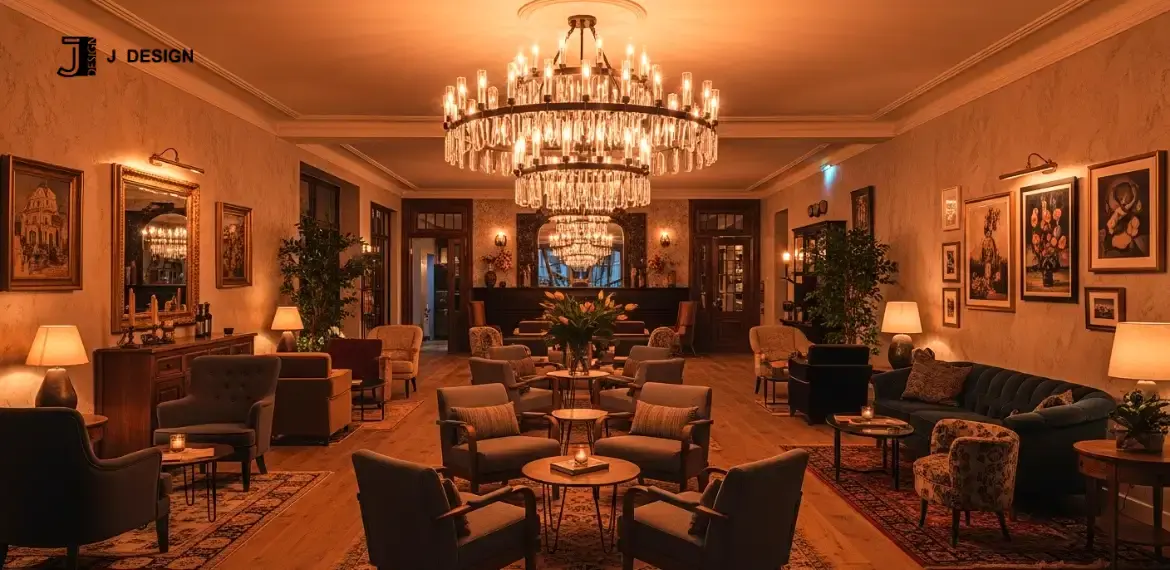
Guests don’t choose a boutique hotel just for a place to sleep, they seek connection, atmosphere, and a story that feels uniquely theirs. Yet many hotels fall short, creating polished spaces that look impressive but leave visitors with nothing memorable.
The solution lies in boutique hotel interior design ideas that spark emotion and showcase personality. Thoughtful choices in colour, art, lighting, and layout can transform ordinary rooms into immersive experiences. When interiors engage the senses and tell a story, they don’t just impress, they inspire, create lasting memories, and turn first-time visitors into loyal guests eager to return.
Essential Elements of Boutique Hotel Interior Design
Boutique hotels are more than just places to stay; they’re immersive experiences where every design choice tells a story. From distinctive themes to curated details, these elements shape warm, personal, and unforgettable spaces.
1. Distinctive Themes and Personalised Style

At the heart of boutique hotel interior design is a strong story. Whether inspired by local heritage, cultural traditions, or natural surroundings, a well-chosen theme gives the space identity and coherence. Antique maps, vintage pieces, earthy tones, and botanical accents can bring the story to life. When every room, corridor, and lounge ties back to this theme, the whole hotel feels immersive and intentional.
2. Signature Touches That Define Identity

Unforgettable hotels often feature standout details, like statement headboards, custom lighting, or bespoke decor. These signature touches not only enhance aesthetics but also give the hotel a personality that guests remember long after their stay.
3. Curated Décor and Local Art

Decor should be meaningful, not just decorative. Handpicked artworks, bespoke furniture, and heirloom pieces add authenticity and depth. Mixing textures, such as soft linens, polished wood, raw ceramics, and brushed metals, creates a tactile experience that is both visually appealing and engaging. Featuring local art and craftwork, the hotel ties itself to its surroundings, offering guests a stronger sense of place.
Get expert interior design services from J Design in Singapore.
4. Colours and Textures That Shape Mood

Colour and texture set the emotional tone of a room. Warm palettes bring calm and cosiness, while bold accents add vibrancy. Murals, patterned walls, and layered textiles transform spaces into focal points. Pairing contrasting textures, such as velvet with wood or metal with ceramics, adds richness and intrigue.
5. Comfort-Driven Guest Rooms

Even compact boutique hotel rooms can feel spacious when thoughtfully planned. Multifunctional furniture, discreet storage, and open layouts combine practicality with elegance. Mirrors, layered lighting, and flexible partitions expand the sense of space. Adding plush bedding, spa-like bathrooms, and touches of greenery ensures wellness and relaxation remain at the core.
6. Lighting That Shapes Atmosphere

Lighting is one of the most powerful tools in modern boutique hotel interior design. Ambient lighting sets the tone, accent lighting highlights details, and natural light keeps spaces fresh and inviting. Layered lighting plans allow rooms to transition from bright and energetic during the day to warm and inviting at night.
7. Seamless Technology Integration
Guests expect modern convenience, but technology doesn’t need to disrupt design. Smart lighting, keyless entry, or in-room tablets can be seamlessly integrated into furniture or walls, enhancing the overall experience. When implemented correctly, these features improve comfort while preserving the charm of a boutique hotel.
8. Sustainable and Future-Proof Design
Sustainability adds timeless value. Reclaimed wood, eco-friendly fabrics, and energy-efficient lighting minimise environmental impact while maintaining stylish interiors. Natural materials, like stone, bamboo, or greenery, add warmth and authenticity. Choosing durable finishes and classic designs ensures the space stays relevant for years.
9. Social Spaces That Foster Connection

Boutique hotels thrive on community. Lounges, rooftop terraces, cafés, or co-working areas should encourage interaction while reflecting the hotel’s style. Sculptural furniture, bold installations, and natural textures create lively, welcoming atmospheres where guests naturally gather.
10. Unique Boutique Hotel Interior Design Ideas That Tell a Story
Every boutique hotel should have a clear design identity, whether modern elegance, industrial chic, or eclectic charm. Layering complementary materials, colours, and textures ensures cohesion while highlighting individuality. This unique style becomes the signature that sets one hotel apart from the rest.
For design ideas tailored to your space, connect with J Design a Trusted interior design company Singapore.
Conclusion
A boutique hotel is more than just accommodation; it’s an experience shaped by thoughtful design. From distinctive themes and signature touches to curated décor, bold colours, and layered textures, every detail contributes to a space that tells a story. Innovative layouts, comfort-driven rooms, ambient lighting, seamless technology, and sustainable choices ensure that every corner strikes a balance between style, functionality, and personality. Vibrant social areas and unique design elements foster connection and leave lasting impressions.
By weaving together these boutique hotel interior design ideas, interiors can transform ordinary stays into memorable journeys that resonate with guests long after they check out.
FAQs
How many rooms make a boutique hotel?
Boutique hotels are usually small, with 10 to 100 rooms. This intimate scale allows for personalised service and unique design touches that bigger hotels often lack.
What is another name for a boutique hotel?
Boutique hotels are also referred to as design hotels, lifestyle hotels, or independent hotels, names that emphasise their focus on individuality and personalised guest experiences.
What is the primary focus of a boutique hotel?
The focus is on creating memorable, personalised guest experiences through unique interior design, comfort, and curated details that make each stay special.
How profitable is a boutique hotel?
Boutique hotels can be very profitable, especially when they stand out through design, location, and personalised service. While operating costs may be higher per room, premium pricing and loyal repeat guests often lead to strong revenue growth.
