
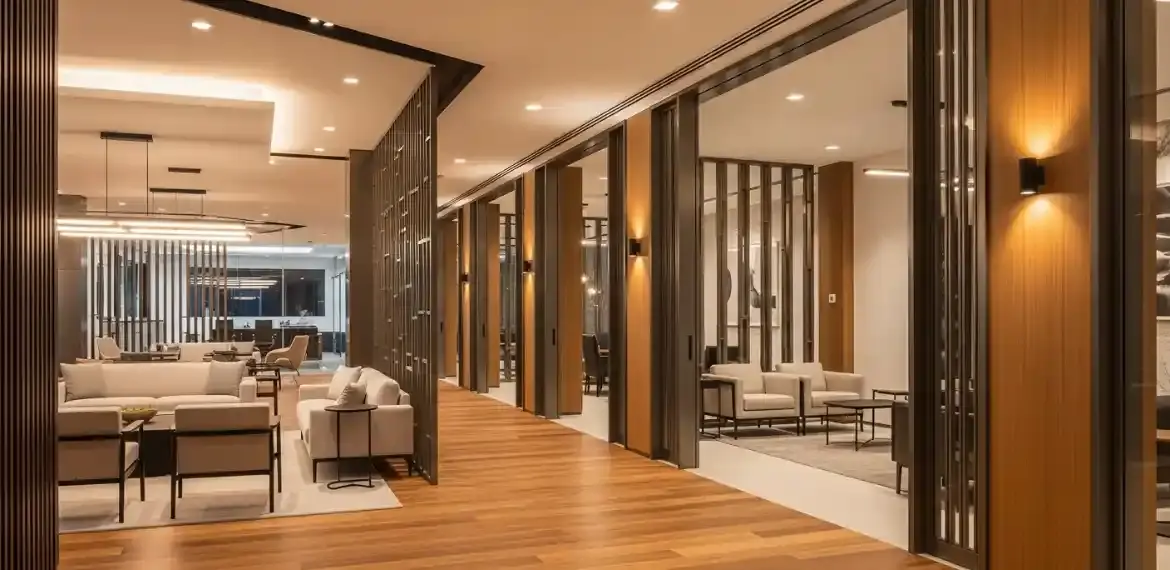
Choosing furniture for commercial spaces can feel overwhelming. Too often, businesses pick pieces that look good but don’t last, feel uncomfortable, or make the space hard to navigate. The wrong furniture can frustrate staff, turn away customers, and make a space feel disjointed.
The good news is that it doesn’t have to be this way. By understanding how your space is used, prioritising comfort and durability, and selecting pieces that match your brand and layout, you can create a commercial interior that works perfectly. Thoughtful Commercial Furniture transforms your space into one that’s inviting, functional, and memorable for everyone who walks through the door.
Commercial Furniture: Simple Steps to Get It Right
1. Know What Your Space Is Meant to Do
Before buying any furniture, spend time observing how the space is used. An office needs desks and chairs that support productivity, a café needs seating that feels cosy, and a bar needs durable commercial bar furniture that can handle heavy use during peak hours.
Ask yourself:
- Who will use this space?
- What activities take place here?
- How do you want people to feel?
Knowing this helps you choose furniture that actually supports the daily flow, rather than just filling empty spots. For example, a café with flexible tables encourages small groups to gather and socialise, while a reception area with clear pathways ensures clients move easily without feeling cramped.
2. Match Your Furniture to Your Brand
Your furniture should tell your brand’s story. A bold, modern brand might use sleek shapes, vibrant colours, or unusual designs, while a calm, professional brand may stick to neutral tones and softer lines.
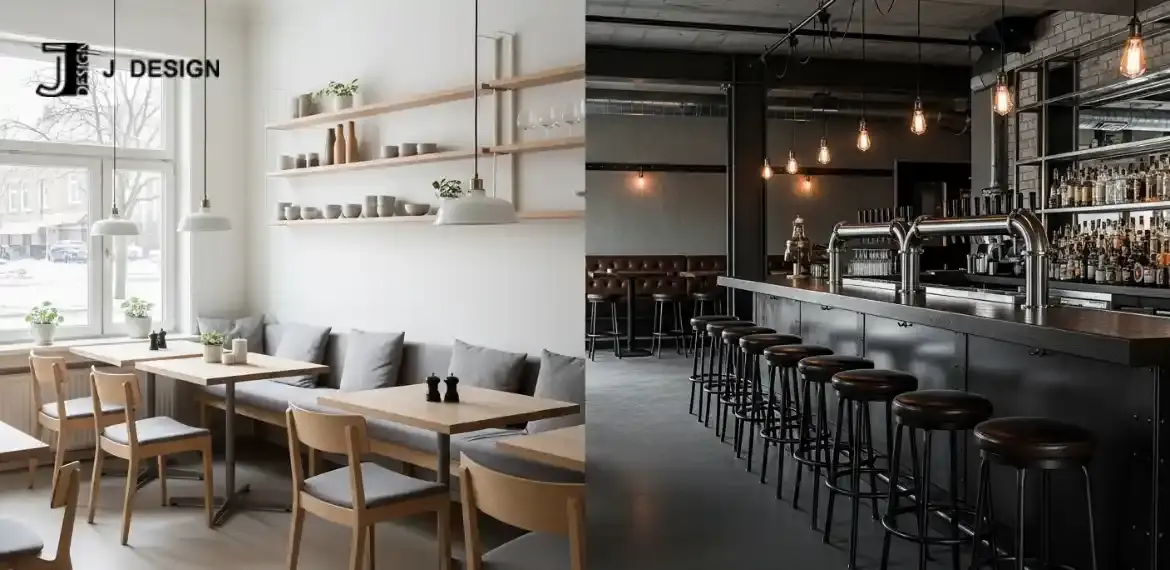
In Singapore, many businesses rely on leading commercial interior design companies to align furniture choices with brand identity. Professional designers can help balance style with practicality, ensuring that every piece supports both the aesthetic and the functional needs of the space. For instance, a boutique coffee shop might choose handcrafted wooden chairs to evoke a warm, artisanal feel. At the same time, a tech startup office might opt for ergonomic chairs and modular workstations to boost productivity.
3. Put Comfort and Function First
No matter how stylish a chair or desk is, it’s useless if it isn’t comfortable or functional. This is especially true for workspace commercial furniture, where staff may spend hours sitting, moving, or collaborating.
Look for:
- Ergonomic back support
- Durable fabrics or materials that can handle spills
- Desks at practical heights for long-term use
Comfort affects productivity, mood, and overall experience. For example, staff who feel comfortable are more focused and engaged, while visitors who feel at ease are more likely to return.
4. Choose Materials That Last
Commercial spaces experience heavy daily traffic, so durability is key. Materials like solid wood, strong metals, and easy-to-clean fabrics are essential for long-lasting commercial office furniture.
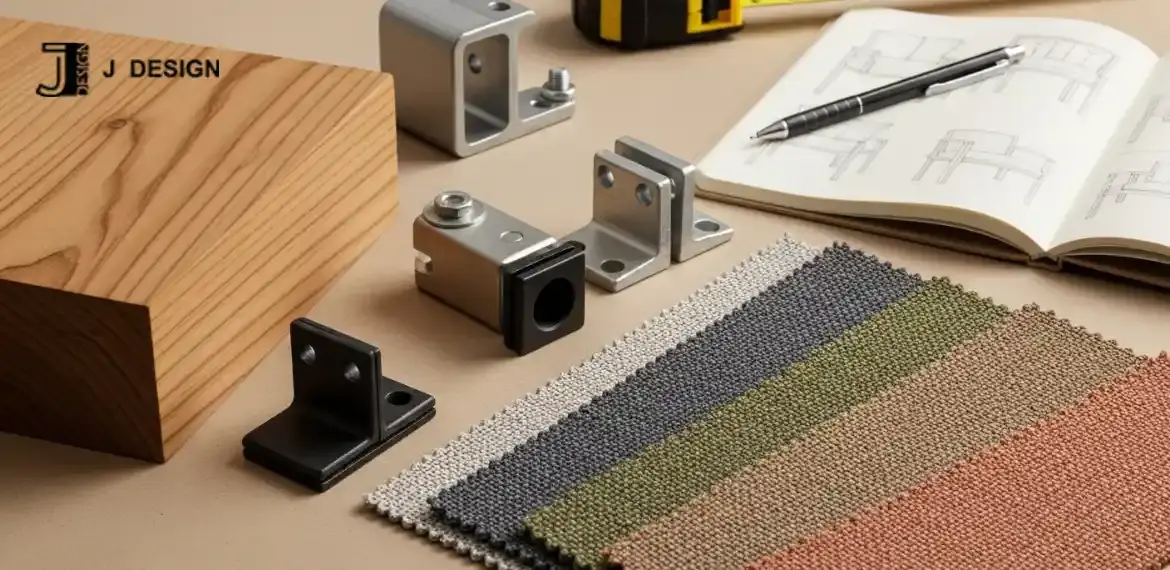
Durable materials not only look better over time but also reduce replacement costs. For instance, a polished hardwood table may be more expensive initially, but it withstands years of daily use in a busy café or office.
5. Plan a Layout That Lets People Move Freely
Furniture layout is more than aesthetics; it affects how people move and interact. Make sure pathways are clear, seating is well-spaced, and work areas are easy to navigate. This is especially important in offices, cafés, or bars where people are constantly on the move.
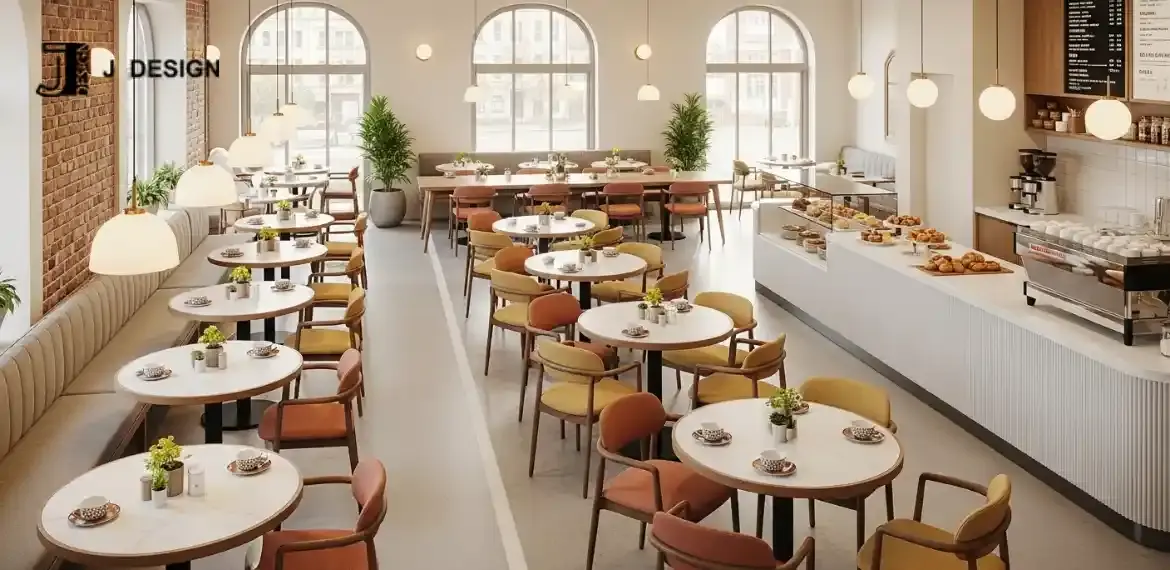
For office layouts, you need to know how to plan office spaces. This gives insights into arranging desks, workstations, and meeting areas efficiently. Proper spacing also improves safety and accessibility, creating a welcoming environment for everyone.
6. Choose a Style That Fits the Mood
Furniture sets the tone for your space. Whether you want it modern, warm, classic, or vibrant, the style should align with your brand and overall interior design.
A few unique pieces of commercial interior design furniture can add character without overcrowding the room. Looking at Commercial Interior Design Trends in Singapore can inspire choices that are stylish, functional, and current. For example, a café may add statement armchairs or industrial-style bar stools to create a memorable atmosphere.
7. Pick Furniture That Adapts Easily
Spaces evolve, so furniture should be flexible. Modular sofas, movable tables, or stackable chairs make it easier to rearrange for meetings, events, or peak business hours. Many commercial furniture Singapore suppliers offer compact, space-saving designs ideal for smaller areas or multi-purpose rooms.
8. Think About Safety and Accessibility
Furniture should be safe and easy to use for everyone. Smooth edges, sturdy frames, and designs that accommodate people of all ages and abilities are essential. In offices, cafés, or medical waiting areas, accessibility and safety are just as important as style and comfort.
9. Set a Smart Budget
Plan your budget early. Invest in high-use pieces that see daily traffic, and save on decorative accents. Quality furniture may cost more upfront but will last longer, giving better value over time. For example, a well-built bar counter or office chair is worth the investment compared to constantly replacing cheaper options.
10. Try Things Before Buying
Whenever possible, test furniture in person. A chair or table might look great online, but feel different in real life. This is especially important for commercial bar furniture and commercial office furniture, which need to be both comfortable and durable. Sitting, moving, and even imagining daily use will help ensure you make the right choice.
11. Choose Reliable Suppliers
A good supplier makes the process smoother. Look for reputable sellers, strong reviews, and experience in commercial furniture in Singapore. Reliable suppliers can offer warranties, customisation options, and guidance tailored to your specific business needs.
12. Bring Everything Together With a Clear Vision
Once all furniture is chosen, take a step back and assess the space. Does it reflect your brand? Is it comfortable, functional, and safe? A well-planned space feels balanced, welcoming, and ready for daily use.
Conclusion
Choosing the right furniture for commercial spaces goes beyond looks; it’s about creating comfort, functionality, and a cohesive experience. From understanding how the space will be used, matching furniture to your brand, prioritising comfort and durability, to planning layouts that flow, each decision shapes how people feel and interact with your space. Flexible, safe, and well-chosen pieces make daily use easier and keep your commercial interior inviting and practical.
Whether it’s furniture for commercial spaces, commercial bar furniture, or commercial office furniture, thoughtful selections elevate both style and efficiency. For businesses in Singapore seeking professional guidance, J Design’s interior design services can help bring your vision to life with practical, stylish, and purposeful solutions.
FAQs
1. Which type of furniture is best?
The best choice depends on the space. Offices need sturdy, ergonomic desks and chairs. Cafés and shops benefit from furniture that’s durable, easy to clean, and in line with the brand’s style.
2. What is the 2/3 rule in furniture?
The 2/3 rule helps balance a room. It suggests furniture should occupy roughly two-thirds of the wall or area it sits in, making the space feel well-proportioned and uncluttered.
3. Is commercial grade better?
Yes. Commercial-grade furniture is stronger, safer, and lasts longer than regular home furniture. It’s ideal for busy spaces and is usually a smarter long-term investment.
