
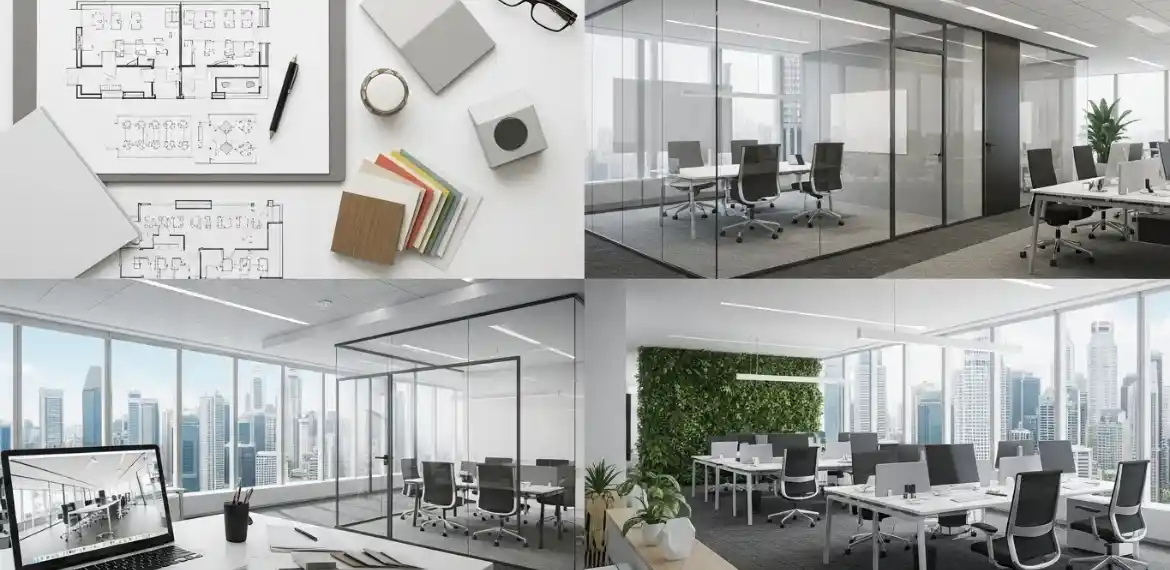
An office isn’t just where work gets done. It’s where people spend a large part of their day, collaborate with teammates, meet clients, and build company culture. When a workspace is poorly planned or outdated, it affects more than just how it looks; it can impact productivity, morale, and even how your business is perceived.
In Singapore’s fast-paced and space-conscious business environment, office design needs to be both practical and thoughtful. From making the most of limited floor area to creating layouts that support focus, collaboration, and employee well-being, a clear office interior design process makes all the difference.
This guide breaks down the office interior design process step by step, with considerations specific to Singapore offices. Whether you’re fitting out a new space or refreshing an existing one, it will help you create a workspace that feels functional, comfortable, and genuinely enjoyable to work in.
The Office Interior Design Process: From Planning to Execution
1. Understanding Your Company’s Needs
Every successful office design starts with clarity. Before choosing layouts, colours, or furniture, it’s essential to understand your company’s culture, workflow, and long-term goals.

How do teams collaborate? How much quiet focus is required? Will your headcount grow in the next few years?
Singapore offices range from open-plan environments to hybrid and activity-based workplaces. By analysing daily operations, collaboration patterns, and space requirements, the commercial interior design process creates layouts that enhance productivity while supporting employee comfort. A workspace aligned with your company’s identity not only motivates staff but also reinforces your brand to clients and visitors.
2. Setting a Realistic Budget
Budget planning is a crucial part of the office interior planning process. In Singapore, costs vary depending on office size, materials, custom carpentry, furniture, and technology integration.
A clear budget plan helps prioritise what matters most, whether that’s ergonomic workstations, meeting rooms, or high-quality finishes. Working within a defined budget also prevents costly changes during renovation and provides a smoother design and build process.
3. Choosing the Right Design Style
Your office design should reflect who you are as a company. Whether you prefer a modern office, a minimalist layout, a sustainable office design, or a tech-forward aesthetic, the style should align with your brand and create a comfortable environment for employees.
Many Singapore offices now prioritise wellness-focused elements such as natural lighting, greenery, acoustic control, and flexible work areas. These design choices improve employee well-being, reduce fatigue, and support creativity in fast-paced work environments.
4. Concept Development and Visualisation
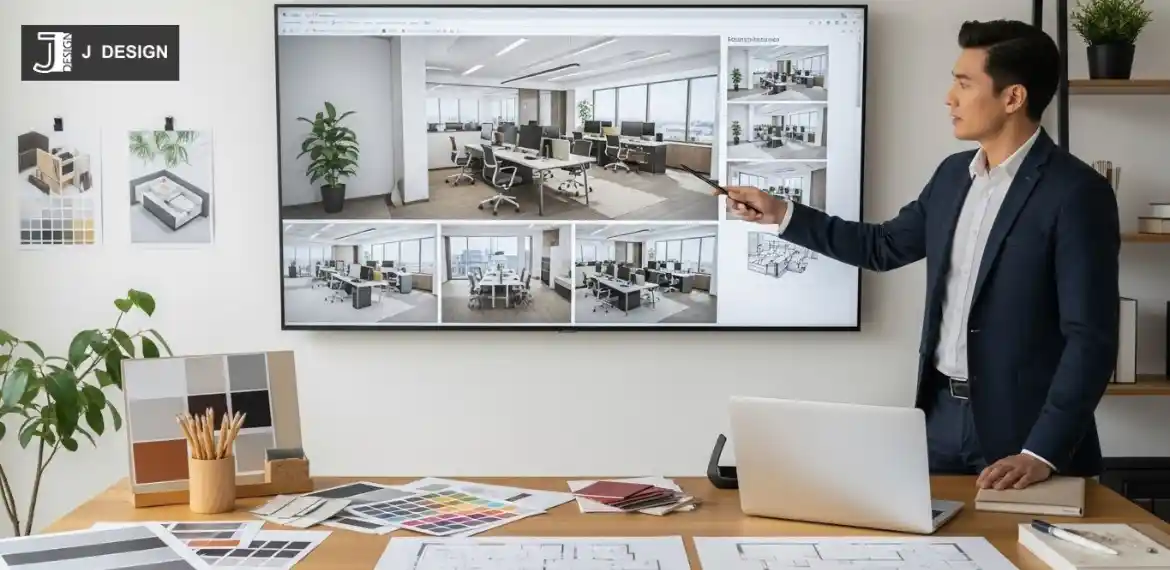
Once planning is complete, designers translate ideas into visual concepts. This stage includes mood boards, colour palettes, material selections, and 3D visualisations that allow you to see how the office will look and function before work begins.
Clear visual concepts help decision-makers align on layout, lighting, furniture, and finishes early, reducing uncertainty and the need for later revisions. A cohesive concept makes the final space feel intentional, balanced, and functional.
If you’re looking for professional support, J Design delivers office interior design in Singapore, from space planning and layouts to furniture and finishes, all designed in accordance with local regulations and space constraints.
5. Optimising Space for Functionality
Effective space planning makes sure every part of the office serves a purpose. Thoughtfully designed zones for meetings, collaboration, focused work, and relaxation improve workflow and employee satisfaction.
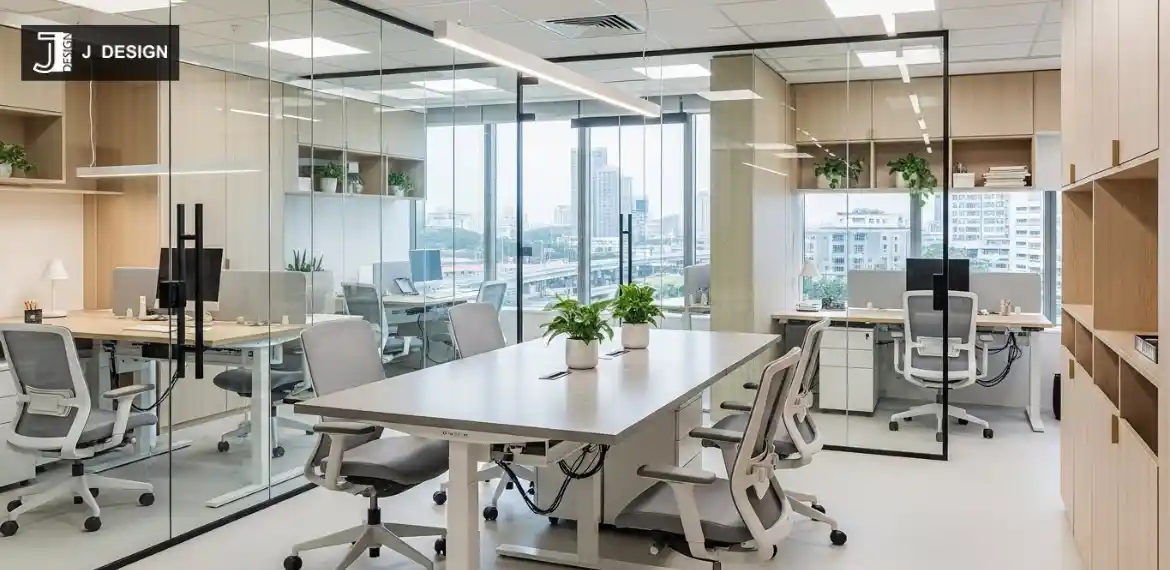
In Singapore, where office space is often limited, designers must balance density with comfort. For small offices, strategic layouts, smart storage solutions, and ergonomic planning help create open, airy environments without sacrificing functionality. This optimisation is a critical part of a successful office design workflow.
6. Executing the Design and Renovation
Turning concepts into reality requires strong project management. This stage involves coordinating contractors, managing timelines, and making sure the quality is controlled throughout construction and installation.
The office renovation process in Singapore often takes place after office hours to minimise disruption to daily operations. As part of the broader office fit-out process, careful planning and coordination keep the project on schedule, within budget, and aligned with the approved design.
7. Final Styling and Handover
The final stage brings the office to life. Furniture installation, lighting adjustments, branding elements, and artwork add personality and reinforce company identity.
Before the handover, all systems, including lighting, IT infrastructure, air conditioning, and safety features, are tested to make sure the office remains fully operational from day one. A well-finished workspace leaves a strong impression on employees and clients while supporting long-term functionality.
Conclusion
Designing an office in Singapore goes beyond furniture and colours; it’s about creating a workspace that reflects your company culture, supports workflows, and boosts employee well-being. By following a structured design process and considering local factors like space optimisation, sustainability, and smart technology, businesses can create offices that are both practical and inspiring.
Partnering with an experienced interior designer helps deliver an efficient workspace with lasting value, where employees feel motivated, productive, and proud to work.
FAQs
1. How long does an office interior design project usually take?
Project timelines in Singapore depend on the size and complexity of the space. Smaller office fit-outs may take a few weeks, while larger ones can take several months from planning to completion.
2. How much does office interior design in Singapore cost?
Costs vary based on office size, materials, furniture, custom work, and technology requirements. Understanding the commercial interior design process helps businesses plan realistic budgets and avoid unexpected expenses.
3. Do I need to hire a professional interior designer for my office?
A professional designer helps create a functional, compliant, and well-organised workspace. They manage layouts, materials, contractors, and regulations, saving time and reducing costly mistakes.
4. What are the latest trends in Singapore office interior design?
Popular trends include wellness-focused layouts, eco-friendly materials, flexible workspaces, smart technology integration, and designs that support hybrid working models.
