
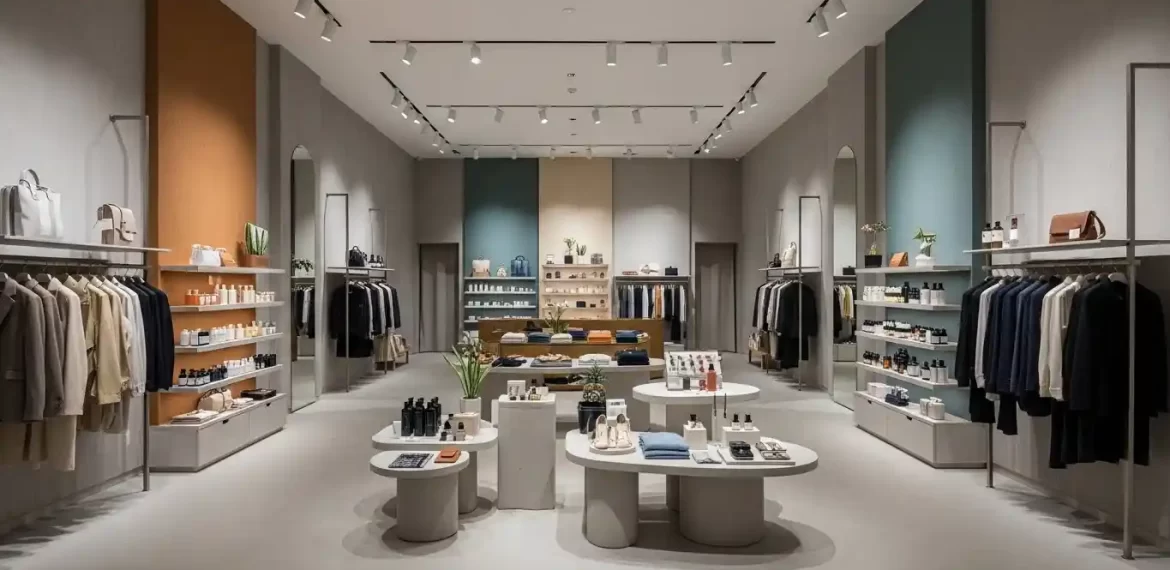
A great retail interior design plan can completely change how customers feel the moment they walk in. Your store isn’t just a place to buy things; it’s a space that speaks to people, tells your brand story, and makes shoppers feel connected. When a shop feels warm, organised, and inviting, customers slow down, explore more, and enjoy being there.
Whether you run a small shop, a modern boutique, or a larger retail space interior design project, the right choices can turn any store into a place people love visiting. Good design has real emotional power. It guides shoppers naturally, builds trust, and boosts their confidence in your brand. That’s why thoughtful design matters; it shapes how customers see you, how long they stay, and how likely they are to return.
Key Elements of Effective Retail Interior Design
These are the building blocks of a strong, customer-focused store.
1. Brand Identity & Storytelling
Your store should reflect who you are as a brand. Colours, décor, and materials should match your message and help customers connect with your products. When storytelling is strong, your retail shop feels more personal and memorable.
2. Smart Space Planning & Store Layout
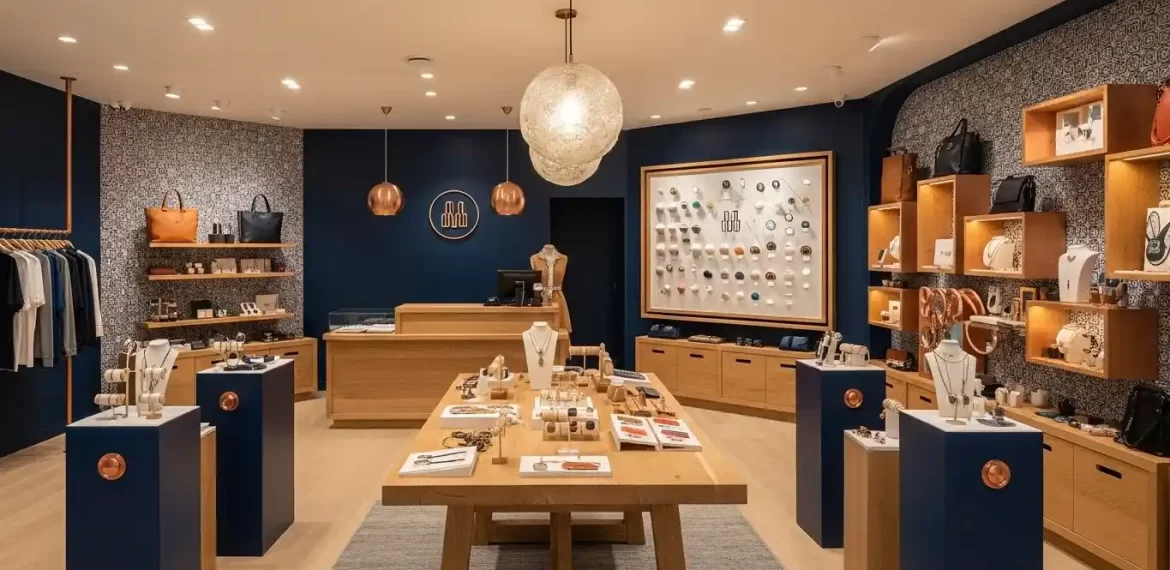
A good layout makes the shopping journey easier. Clear paths, well-planned entry zones, and smart product placement help customers move naturally around the store. Even compact shops, like many retail shops in Singapore, can feel open and comfortable with the right layout.
Get Professional Retail Interior Design Services from J Design.3. High-Impact Visual Merchandising
Good displays bring products to life. Eye-level shelves, seasonal themes, and creative props help customers notice what matters. Interesting textures and height differences also make your retail space interior design feel more dynamic. A few “Instagrammable” spots can boost attention and sharing, too.
4. Lighting That Enhances Experience
Lighting sets the mood of your whole store. Soft ambient lights create warmth, accent lighting highlights star products, and clean task lighting helps customers see clearly. Many retail interior designers use lighting strategically, seeing it as one of the fastest ways to elevate a store’s look and feel.

5. Colour Psychology That Drives Emotion
Colours influence how people feel. Warm shades feel cosy, bold tones feel exciting, and soft colours create calm. Choosing the right palette helps your retail store’s interior design connect better with your target audience.
6. Fixtures & Furniture That Elevate the Space
Shelves, racks, and counters shape the store’s personality. Modular fixtures, modern materials, and multi-purpose furniture keep your space neat and attractive. These pieces play a huge role in a strong retail interior.
7. Technology for a Smart Shopping Experience
Shoppers appreciate technology that is simple, engaging, and convenient. Digital screens, VR try-ons, and fast mobile checkout tools make shopping easier and more exciting. These upgrades help your store feel modern and customer-focused.
8. Multi-Sensory Experience Design
A great experience uses more than just visuals. Soft music, pleasant scents, and textured materials make your store feel more alive. These small touches help customers remember their visit long after they leave.

9. Sustainable & Eco-Friendly Design Choices
Eco-friendly design is becoming more popular. Using recycled décor, LED lighting, or natural materials shows you care about the environment. Sustainability also adds a fresh, clean feeling to your retail interior.
10. Accessibility & Comfort for All Shoppers
Comfort keeps customers in your store longer. Wide paths, clear signs, and comfortable seating help everyone feel welcome. When shoppers feel relaxed, they explore more and often buy more.
11. Final Touches That Create Lasting Impressions
Small details make a big difference. A creative window display can stop people outside. Custom packaging makes customers feel special. A signature feature, like a neon sign, textured wall, or branded backdrop, can become your store’s “wow moment.”
When planning your retail space, it helps to know what to avoid. Read our expert guidance on common commercial interior design mistakes.
Trending Retail Interior Design Styles to Inspire Your Store
Here are some popular looks used in modern retail interior design around the world:
- Minimalist modern: clean lines and soft colours
- Industrial chic: metal, concrete, bold accents
- Luxury boutique style: warm lighting and elegant finishes
- Urban streetwear: graphic art and bold displays
- Natural & organic: plants, earth tones, and wooden textures
Many retail stores in Singapore blend modern minimalism with warm, natural elements to create a calm, inviting feel.
Small Budget, Big Impact Ideas
You don’t need a full renovation to refresh your store. Simple upgrades can completely change the look of your retail shop:
- Add low-cost décor that matches your brand
- Use brighter, warmer lighting
- Rearrange your layout for better flow
- Paint a feature wall to create a strong focal point
Even small changes can make your entire store feel new.
Conclusion
Great design doesn’t just make your store look good; it makes people feel good. With the right retail interior design ideas, you’re creating more than a place to shop. You’re building an experience that welcomes people in, guides them naturally, and leaves them wanting to return.
A store with a smart layout, warm lighting, strong branding, and thoughtful décor becomes a destination, not just another stop. That’s the real power of retail interior design: it connects customers to your brand on an emotional level.
If you’re ready to transform your store into a space that inspires, engages, and sells, J Design, a leading interior design company in Singapore, is here to help. From concept to final styling, your vision can come to life with creativity, strategy, and care. Let’s create a store your customers will never forget.
FAQs
1. What is the 60/30/10 Rule in Interior Design?
The 60/30/10 rule guides colour balance. Around 60% of the space uses the main colour, 30% supports it with a secondary tone, and 10% adds a bold accent. Retail stores use this to create harmony while highlighting key areas or products.
2. How Can Lighting Improve Retail Store Sales?
Good lighting guides customer attention and sets the store’s mood. Warm, bright lights make products look more appealing, while accent lights highlight bestsellers. When used well, lighting naturally leads shoppers through the space and boosts buying confidence.
3. What Is the Best Layout for a Retail Store?
The best layout depends on your products, but the most common ones are grid, loop, and free-flow. Each guides customers differently, helping them explore more areas and notice more items. A smart layout makes shopping easier and increases sales potential.
4. What are the top retail interior design trends in Singapore right now?
Retail stores in Singapore are focusing on creating immersive experiences that engage customers. Popular trends include modular layouts that can be easily updated, Instagrammable spots to encourage social sharing, and the use of technology such as digital displays. Many stores also blend natural elements with modern design to create a welcoming atmosphere.
5. How much does retail interior design cost in Singapore?
The cost depends on factors like store size, design complexity, materials, and location. Small updates, such as lighting or layout changes, can be affordable, while complete store redesigns require professional quotes. It is common for shop owners to consult multiple designers to find a solution that fits both their vision and budget.
6. Can small retail stores in Singapore benefit from professional interior design?
Yes. Even small stores can feel spacious and inviting with thoughtful interior design. Using smart furniture arrangements, clear sightlines, and effective lighting can improve the shopping experience. Professional designers can help maximise the potential of limited space while keeping the store functional and visually appealing.
